

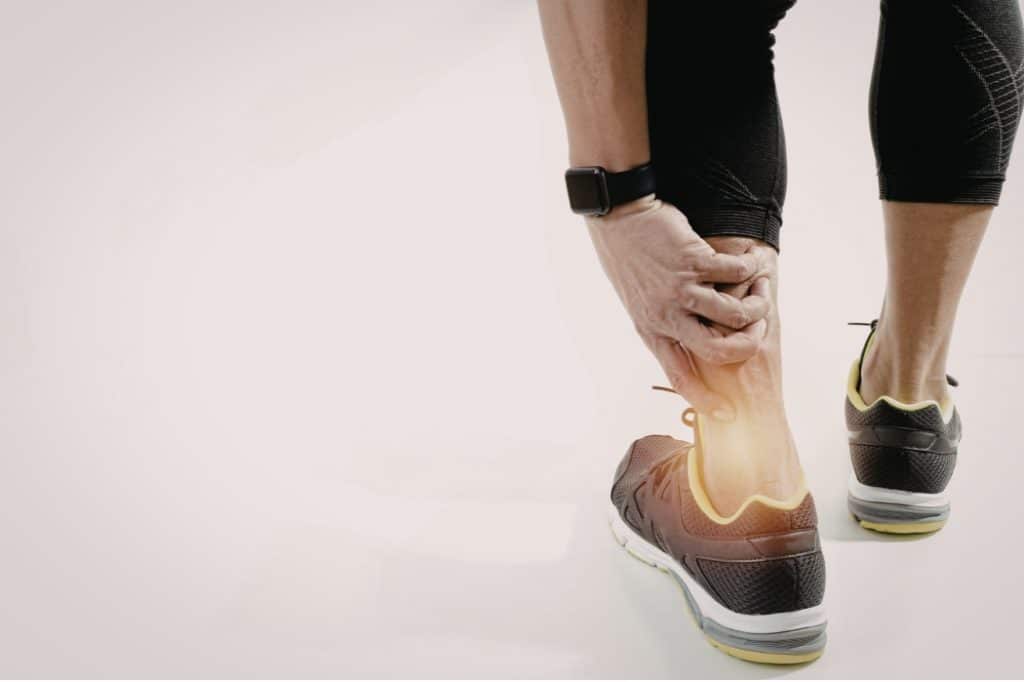
Most people do not think about their feet until they hurt.
But if you run, train, compete, or simply want to stay active, your foot and ankle health may be the single most important factor in how well you move.
At McKenzie Sports Physical Therapy, we often say this:
Your feet are not just passive structures. They are dynamic engines.
And when they are weak, stiff, or poorly controlled, performance suffers.
Let’s explore what modern foot and ankle care really looks like.
The Evolution of Foot and Ankle Rehabilitation
Years ago, treatment focused primarily on rest and passive therapies.
Today, we know better.
Research consistently shows that active rehabilitation produces stronger, longer lasting outcomes for foot and ankle injuries.
Instead of simply calming symptoms, we aim to:
- Improve tissue capacity
- Build strength
- Enhance mobility
- Restore power
- Retrain coordination
Pain reduction is important. But resilience is the real goal.
The Athletic Foot: Built for Power
During running, your foot absorbs forces up to three times your body weight.
During jumping sports, that number increases.
Your Achilles tendon acts like a spring. Your arch stores and releases energy. Your ankle stabilizes and adapts.
When this system is optimized, movement feels fluid and efficient.
When it is compromised, compensation begins.
That is when pain often appears.
Why Plantar Fasciitis Is So Common
Plantar fasciitis is one of the most searched terms related to foot pain.
The traditional view labeled it as inflammation. Newer research suggests it is often more about tissue overload and degeneration.
Common contributors include:
- Sudden increases in activity
- Weak foot muscles
- Tight calves
- Reduced ankle mobility
- Prolonged standing
- Poor load management
Stretching alone is rarely enough.
Progressive loading of the plantar fascia and calf complex often produces the best outcomes.
Achilles Tendon Pain and Performance
The Achilles tendon thrives under load.
However, it must be loaded progressively.
Too little load leads to weakness.
Too much too quickly leads to irritation.
Achilles rehabilitation focuses on:
- Heavy slow resistance exercises
- Gradual return to plyometrics
- Mobility restoration
- Load tracking
Ignoring Achilles pain can lead to long term limitations in speed and power.
Ankle Sprains: Why They Keep Coming Back
Up to 40 percent of individuals who experience an ankle sprain develop chronic instability.
Why?
Because swelling reduction is not the same as full recovery.
Proper rehabilitation includes:
- Strength training
- Balance work
- Agility drills
- Sport specific progressions
Skipping these steps increases recurrence risk.
The Connection Between the Foot and the Entire Kinetic Chain
Foot dysfunction does not stay local.
Collapsed arches can influence knee alignment. Limited ankle mobility can affect squat mechanics. Poor foot control can contribute to hip and back strain.
Optimizing foot and ankle health often improves symptoms higher up the chain.
At McKenzie Sports Physical Therapy, we assess the whole body, not just the painful area.
Building Bulletproof Ankles
Ankle strength and stability are trainable.
Effective programming includes:
- Single leg strength training
- Calf raises with progression
- Dynamic balance challenges
- Plyometric drills
- Controlled mobility exercises
These strategies enhance both injury prevention and performance.
The Mental Side of Injury
Foot and ankle injuries can create fear of movement.
After repeated sprains, many athletes hesitate during cutting or landing.
Rebuilding confidence is just as important as rebuilding strength.
Guided progression allows athletes to regain trust in their bodies.
Prevention Is Performance
Foot and ankle training should not begin only after injury.
Proactive strengthening and mobility work can:
- Reduce injury risk
- Improve efficiency
- Enhance explosiveness
- Increase endurance
- Support long term joint health
Whether you are a competitive athlete or an active adult, prevention matters.
When to Seek Professional Guidance
Consider scheduling an evaluation if you experience:
- Persistent heel pain
- Recurrent ankle sprains
- Stiffness limiting performance
- Balance instability
- Pain with running or jumping
- Decreased push off power
Waiting often prolongs recovery.
How McKenzie Sports Physical Therapy Approaches Foot and Ankle Care
Our approach includes:
- Comprehensive movement assessment
- Strength and mobility testing
- Individualized rehab plans
- Progressive return to sport protocols
- Education on load management
We prioritize long term outcomes over quick fixes.
Ready to Strengthen Your Foundation?
Foot and ankle pain does not have to sideline you.
If you are dealing with heel pain, ankle instability, or performance limitations, schedule a Free Discovery Visit at McKenzie Sports Physical Therapy.
During your Free Discovery Visit, you can:
- Discuss your concerns
- Learn what may be contributing to your symptoms
- Explore treatment options
- Decide your next steps
Click here to book your Free Discovery Visit today.
Strong feet create powerful movement. Let us help you build both.