Best cross-training exercises for injured runners
The best cross training exercises for injured runners start with deep-water running when cleared. Compare six options by impact, symptoms, and training goals.
The best cross training exercises for injured runners start with deep-water running when cleared. Compare six options by impact, symptoms, and training goals.

If you have been investigated for numbness, burning or tingling in your feet, somebody will have asked how much you drink. For a lot of people that question lands awkwardly. It can feel like an accusation, or like being sent down a route that has nothing to do with the problem you came in with. It is neither. It is on the list because alcohol is one of the recognized causes of nerve damage, and because it is one of the few causes where there is something concrete to be done.
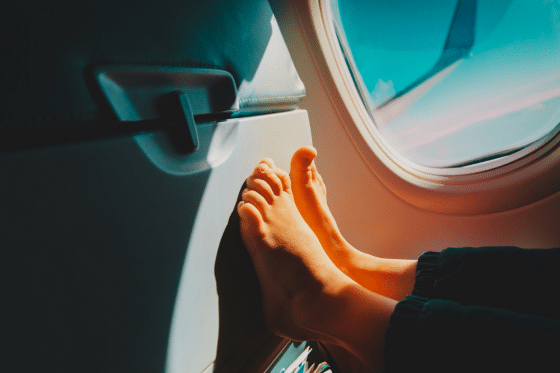
Most people with neuropathy have noticed this without ever explaining it. You take a flight, or a long drive, and by the time you arrive your feet are worse than they were. More burning. More tingling. More swollen. And it takes a couple of days to settle again. Then you get home and the same thing happens in reverse. There are specific reasons for it, most of them are manageable, and a few of the things people do to cope actually make it worse.
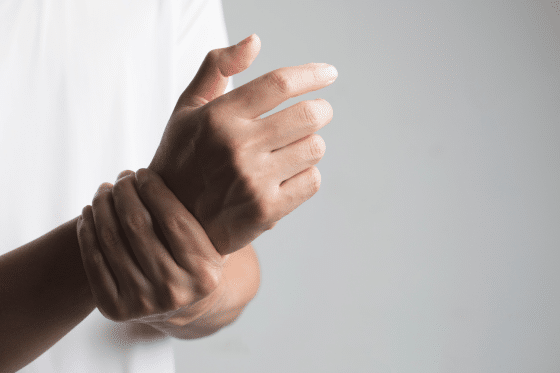
“How’s the neuropathy?” is a hard question to answer well. Most people say “about the same,” which is usually a guess. Symptoms fluctuate, memory smooths things out, and the things that matter most — balance, foot safety, function — aren’t what you notice day to day. So here’s a structured self-audit across five domains. Score each one, add them up, and you’ll have something considerably more useful than “about the same” — both for tracking yourself over time and for handing to a clinician.
Your home was designed for someone who can feel their feet.
That’s not a criticism of your house — it’s true of essentially every home. The floor surfaces, the lighting, the water temperature, the thresholds between rooms all assume a person receiving accurate sensory information from the ground up. When that information degrades, the same house becomes a different environment. Nothing has changed except your ability to detect what’s happening in it. So here’s a walk through, room by room. Not a general safety lecture — the specific things that matter when sensation is reduced.
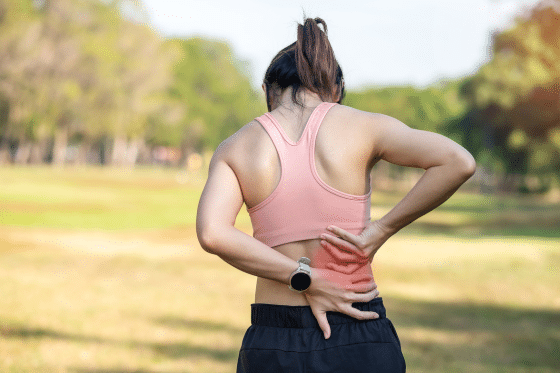
It’s rarely dramatic. You bent to pick up a shoe. You turned to grab something from the back seat. You stood up from the couch and something caught. The first few days of an acute back episode matter — not because your spine is in danger, but because the decisions you make now strongly influence whether this resolves in a couple of weeks or drags on for months. Here’s a clear plan.
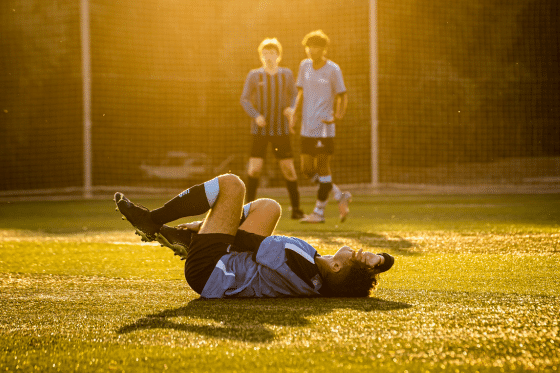
Soccer is one of the most physically demanding sports in the world. It combines speed, endurance, agility, balance, power, and technical skill into one fast-paced game. Whether you’re a youth player, a weekend warrior, or competing at a high level, your body is constantly being challenged by sprinting, cutting, jumping, tackling, and kicking. At McKenzie Physical Therapy, we work with soccer players of all ages to improve movement, reduce injury risk, and help athletes spend more time on the field doing what they love.
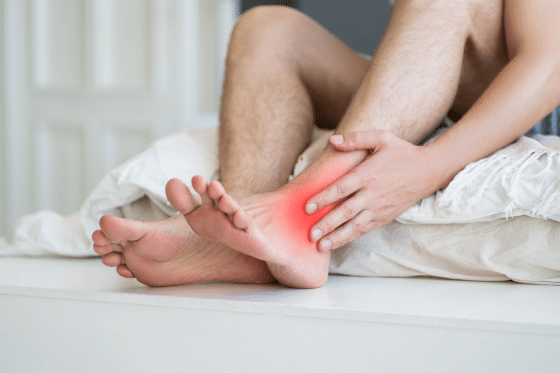
At McKenzie Physical Therapy, we help people improve the way they move so they can continue doing the activities they love. Understanding how to care for your feet is one of the best investments you can make in your long-term health and wellness.
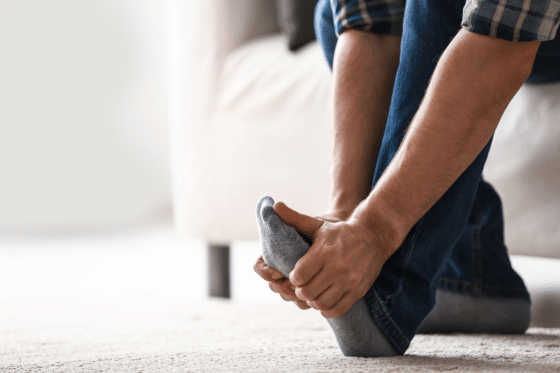
At McKenzie Physical Therapy, we believe healthy movement starts from the ground up. By identifying the underlying cause of movement limitations, we help people improve mobility, restore confidence, and return to an active lifestyle.