

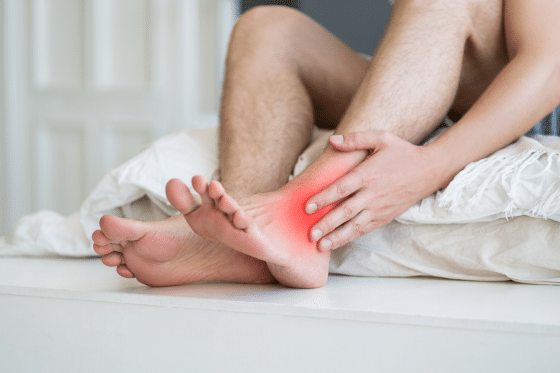
Most people don’t think much about their feet until something starts to hurt. Yet your feet are among the hardest-working parts of your body. From the moment you get out of bed until you turn in for the night, they absorb force, provide balance, and support every step you take.
Whether you’re walking the dog, exercising, working on your feet, or spending the day with family, healthy feet allow you to stay active and independent. When foot pain develops, even simple activities can become more difficult, affecting your confidence and your ability to enjoy everyday life.
While not every case of foot pain can be prevented, many movement-related issues can be reduced by building healthy habits that support strength, flexibility, balance, and proper movement. Small changes practiced consistently often have a lasting impact.
At McKenzie Physical Therapy, we help people improve the way they move so they can continue doing the activities they love. Understanding how to care for your feet is one of the best investments you can make in your long-term health and wellness.
Your Feet Are the Foundation of Movement
Each foot contains an incredible network of bones, muscles, tendons, ligaments, and joints that work together to keep you moving.
Every time your foot contacts the ground, it performs several important jobs. It absorbs impact, adapts to different surfaces, helps maintain balance, and provides the stability needed to move forward efficiently.
When one part of the foot isn’t functioning as well as it should, the rest of your body often adapts. You may unconsciously change the way you walk, shift your weight to one side, or avoid certain movements altogether.
These compensation patterns can eventually affect your ankles, knees, hips, and lower back.
That’s why maintaining healthy foot function is about much more than avoiding discomfort. It’s about supporting the way your entire body moves.
Wear Shoes That Support Your Lifestyle
Footwear plays an important role in everyday movement.
While there isn’t one “perfect” shoe for everyone, choosing footwear that fits properly and matches your daily activities can make a significant difference.
When shopping for shoes, consider:
- Enough room for your toes to move comfortably
- Good heel support
- Cushioning appropriate for your activity
- A secure fit that doesn’t allow excessive slipping
- Replacing shoes when they become worn
If you regularly walk, run, or spend long hours standing, your footwear should provide the support needed for those activities.
Worn-out shoes often lose their ability to absorb shock, placing additional stress on your feet over time.
Keep the Muscles in Your Feet Strong
Many people focus on strengthening their legs or core while forgetting the muscles inside their feet.
Like every other muscle in the body, the small muscles of the feet benefit from regular activity.
Strong foot muscles help support:
- Balance
- Stability
- Arch control
- Walking efficiency
- Everyday movement
Simple exercises such as towel scrunches, toe raises, or balance activities may help improve strength and coordination.
A physical therapist can recommend exercises based on your individual needs and activity level.
Don’t Forget About Your Ankles
Healthy foot movement depends on healthy ankle mobility.
If your ankles become stiff, your body often compensates elsewhere.
For example, limited ankle movement may cause your knees or hips to work harder during walking, climbing stairs, or squatting.
Gentle mobility exercises can help maintain healthy movement and improve the way your entire lower body functions.
Consistency is far more important than intensity.
Even a few minutes of mobility work several times each week can make a meaningful difference.
Build Activity Gradually
One of the most common reasons people develop foot discomfort is doing too much, too soon.
Whether you’re starting a new exercise routine, preparing for a race, or increasing your daily walking, your body needs time to adapt.
Instead of making large jumps in activity, gradually increase your workload over time.
This allows muscles, tendons, and connective tissues to adjust more comfortably while reducing unnecessary strain.
Listening to your body throughout this process is equally important.
Recovery Supports Healthy Movement
Exercise is only one part of the equation.
Recovery allows your body to repair and adapt between activities.
Healthy recovery habits include:
- Getting enough sleep
- Staying hydrated
- Taking rest days when needed
- Performing gentle stretching
- Staying active with light movement between workouts
Recovery doesn’t mean complete inactivity.
In many cases, light walking or gentle mobility exercises can help reduce stiffness and support circulation.
Balance Helps Protect Your Feet
Balance naturally changes throughout life, but it can often be improved through regular practice.
Good balance helps your body respond more effectively to uneven ground, changes in direction, and unexpected movements.
Simple balance exercises may include:
- Standing on one foot
- Heel-to-toe walking
- Controlled weight shifting
- Single-leg strengthening exercises
Improving balance not only supports healthy movement but may also increase confidence during everyday activities.
Listen to What Your Feet Are Telling You
Occasional soreness after a long hike or an unusually active day is common.
However, persistent symptoms shouldn’t be ignored.
Pay attention if you notice:
- Heel discomfort when taking your first steps in the morning
- Pain that returns with activity
- Swelling that doesn’t improve
- Difficulty walking comfortably
- Changes in your walking pattern
- Stiffness that limits daily activities
Addressing movement concerns early may help prevent compensation patterns from developing elsewhere in the body.
Why Walking Mechanics Matter
Walking is something most people rarely think about.
Yet every individual has a unique walking pattern.
Subtle differences in the way your foot strikes the ground, pushes off, or transfers weight may influence how forces move throughout your body.
At McKenzie Physical Therapy, we evaluate walking mechanics as part of a comprehensive movement assessment.
Understanding how you move allows us to identify opportunities to improve efficiency and support healthier movement patterns.
Sometimes small adjustments can make everyday walking feel smoother and more comfortable.
Physical Therapy Supports More Than Recovery
Many people believe physical therapy is only needed after surgery or a major injury.
In reality, physical therapy can also help people improve movement, increase strength, and build habits that support long-term wellness.
During an evaluation, your physical therapist may assess:
- Joint mobility
- Muscle strength
- Flexibility
- Balance
- Foot posture
- Walking mechanics
- Functional movement
Based on these findings, a personalized treatment plan is created to match your goals.
Treatment may include:
- Manual therapy
- Strengthening exercises
- Mobility training
- Balance activities
- Functional movement exercises
- Education about footwear and daily habits
- A customized home exercise program
Every plan is designed to help you move with greater confidence while supporting your long-term activity goals.
Healthy Feet Help You Enjoy Life
When your feet feel strong and move well, it’s easier to stay active.
Whether you enjoy traveling, hiking, gardening, exercising, or simply walking around your neighborhood, healthy feet make those experiences more enjoyable.
Taking care of your feet isn’t just about preventing discomfort today.
It’s about protecting your ability to stay active for years to come.
Small habits practiced consistently often lead to meaningful improvements over time.
Take the First Step With McKenzie Physical Therapy
If foot pain, stiffness, or changes in your movement have been making everyday activities more challenging, now is a great time to take action.
At McKenzie Physical Therapy, we’re passionate about helping people move better so they can continue living active, healthy lives. We take the time to understand your goals, evaluate how your body moves, and create a personalized plan that supports your lifestyle.
We invite you to schedule a Free Discovery Visit with our team.
During your visit, you’ll have the opportunity to meet with one of our experienced physical therapists, discuss your concerns, ask questions, and learn how physical therapy may help you improve movement and return to the activities you enjoy most.
There’s no pressure and no obligation, just an opportunity to discover what’s possible.
Contact McKenzie Physical Therapy today to book your Free Discovery Visit and take the first step toward healthier feet, better movement, and a more active future.