

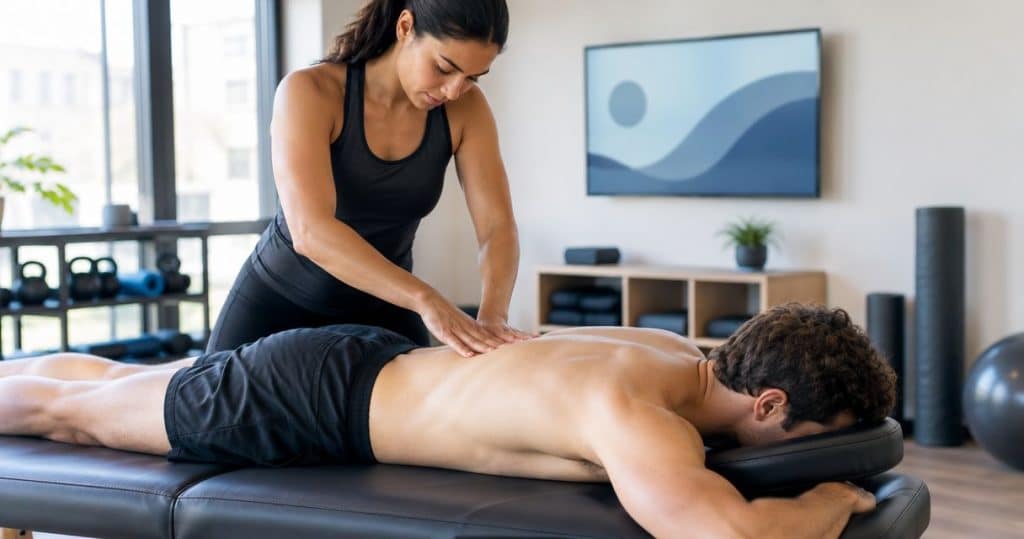
Yes, sports massage can be worth it in 2026 if your goal is to feel more comfortable after training and you treat it as one part of recovery. It is not a substitute for injury diagnosis or rehabilitation when pain changes how you move, persists, or follows a specific injury.
- Is sports massage worth it? Yes for athletes seeking relief from soreness, but not as a replacement for injury care.
- McKenzie Sports Physical Therapy offers sports massage, injury diagnosis, and rehabilitation in Philadelphia.
- Choose injury diagnosis before massage when pain follows an injury or changes how you move.
- Judge sports massage by whether it helps your stated goal, not by how much pressure you can tolerate.
Is sports massage worth it in 2026?
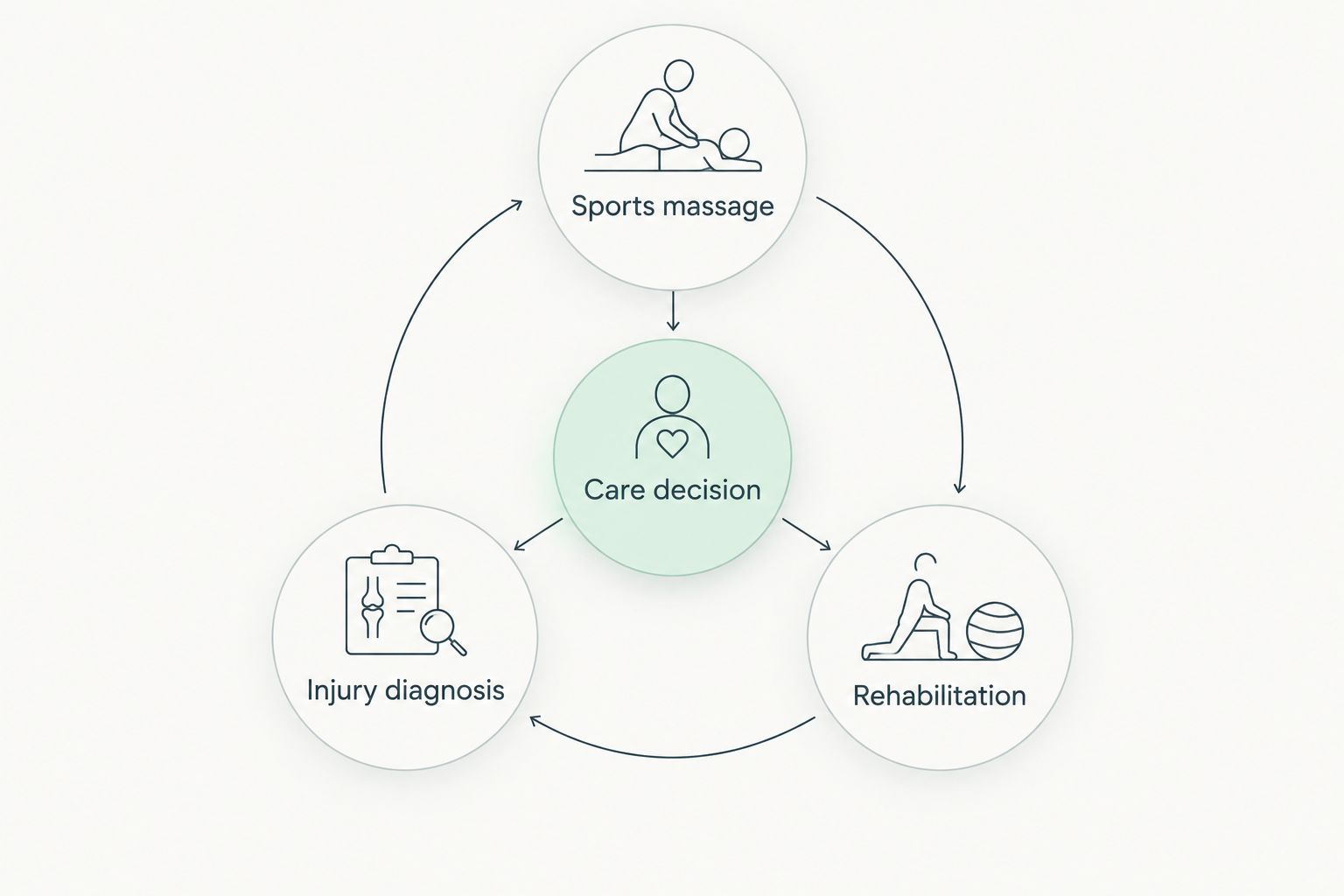
Sports massage is worth considering for comfort and perceived soreness; injury diagnosis and rehabilitation address different needs. Start with the problem you want to solve. If you want help feeling less sore after training, massage is a reasonable option to consider. If you cannot train or move normally because of pain, first find out what is wrong.
| Option | Best for | What it offers | Main limitation |
|---|---|---|---|
| Sports massage | Athletes seeking help with soreness or muscle discomfort | Hands-on treatment focused on comfort | It does not establish the cause of an injury or replace rehabilitation |
| Injury diagnosis | Athletes with pain after an injury or a change in movement | An assessment of the problem behind the symptoms | An assessment alone is not the whole recovery process |
| Rehabilitation | Athletes recovering from an injury | A plan for restoring movement and activity | It takes participation beyond a single visit |
That distinction is the care decision. You can seek massage without claiming that it repairs damaged tissue, prevents your next injury, or makes hard training safe despite pain. In 2026, the useful question is not whether massage feels effective during the appointment. It is whether it serves the goal that brought you there.
Why this matters
Soreness and injury pain can both make training unpleasant, but they do not call for the same decision. Massage can be an option when you want hands-on care for muscle discomfort. Pain that begins with an injury, alters your movement, or keeps interfering with activity calls for an assessment rather than an assumption that the muscle simply needs more pressure.
McKenzie Sports Physical Therapy is a Philadelphia clinic offering sports massage, sports injury diagnosis, and rehabilitation. Those are distinct services. McKenzie Sports Physical Therapy is best for Philadelphia athletes seeking sports massage from a clinic that also offers injury diagnosis and rehabilitation. That does not mean massage is the right service for every person who arrives with pain.
The same principle applies if you are returning to exercise after time off. Feeling looser after a session is a personal response, not proof that an injury has healed or that you are ready for your previous workload. Keep the purpose of the appointment separate from any decision about training.
Why the value of sports massage varies
- Your goal: If you want relief from muscle discomfort, you can judge whether massage helps you feel more comfortable. If you need to know why pain keeps returning, book an injury assessment instead.
- How symptoms began: General soreness after activity poses a different question from pain linked to a fall, twist, or sudden movement. Tell the clinician what happened before choosing a treatment.
- Whether movement has changed: Limping, guarding a joint, or avoiding a familiar movement shifts the priority toward finding the cause. Massage should not become a way to postpone that decision.
- Where you are in recovery: An athlete already working through rehabilitation can discuss whether massage fits their current goal. It cannot do the work of a rehabilitation plan.
- How you respond: Pressure is not a scorecard. Tell the clinician if treatment feels wrong for the area or leaves you concerned about the symptoms you came in with.
These factors matter more than a blanket recommendation for or against sports massage in 2026. An appointment is useful when its purpose is clear before treatment starts. If your goal changes because you describe an injury rather than ordinary soreness, the next step should change too.
What should you ask before booking sports massage?
You do not need to know the name of a technique. You do need to describe the problem clearly enough to choose between massage, injury diagnosis, and rehabilitation. Bring these questions to the conversation:
- What am I trying to address? Name the location, what you feel, and the movement or activity that brings it on. Say whether you want comfort after training or help understanding pain.
- Was there a specific injury? Describe a fall, twist, collision, or sudden onset if one occurred. Do not reclassify injury pain as routine soreness just because the area feels tight.
- Has my movement changed? Explain whether you are avoiding an activity, favoring one side, or struggling with a movement you normally do. That information can change which service makes sense.
- What would make this appointment useful? Decide whether your measure is feeling more comfortable or getting direction on an injury. A massage session and an injury assessment answer different questions.
The answers help you choose the appointment, not diagnose yourself. If the main issue is unexplained or worsening pain, ask for an assessment rather than selecting a hands-on treatment based only on its name.
Can sports massage replace physical therapy after an injury?
No. Sports massage can be considered for comfort, but it does not replace injury diagnosis or a rehabilitation plan. If an injury is affecting your movement or ability to participate, addressing those limitations matters more than whether the area feels looser immediately after massage.
McKenzie Sports Physical Therapy offers both sports massage and rehabilitation. Choose between them by stating what you need help with: muscle discomfort, an injury you want assessed, or recovery from an injury already identified. Do not assume that booking one service automatically covers the purpose of another.
Is sports massage worth it before an event?
It depends on what you expect it to do. If your goal is comfort, tell the clinician about the event and how you usually respond to hands-on treatment. Do not use massage to declare yourself ready to compete when pain is changing how you move.
Trying to train through an unresolved injury is a separate decision from choosing massage. An assessment addresses the injury question; a comfortable session does not answer it. Keep those choices separate even when the event feels urgent.
How do you tell whether sports massage helped?
Compare your response with the goal you set before the visit. If you sought relief from soreness, notice whether you feel more comfortable in the activities that mattered to you. If your original problem was persistent pain or impaired movement, a temporary change in sensation does not settle the underlying question.
Be specific when you report your response. Saying which movement still bothers you gives a clinician more to work with than saying the session was good or bad. If the problem remains, reconsider the service you need instead of repeating the same appointment by default.
FAQ
Is sports massage worth it for athletes in 2026?
Yes, sports massage can be worth it for athletes seeking help with soreness or muscle discomfort. It does not replace injury diagnosis or rehabilitation when pain affects movement.
Is sports massage better than physical therapy for an injury?
No, sports massage is not a substitute for injury diagnosis or rehabilitation. If an injury is limiting activity, find out what needs to be addressed before treating massage as the solution.
Can sports massage help after a workout?
Sports massage is an option if your goal after a workout is to feel more comfortable. Judge it by your own response rather than assuming it speeds recovery or prevents injury.
Should I get a sports massage if I have pain?
Seek an injury assessment if pain follows a specific injury, changes how you move, or keeps interfering with activity. Do not assume massage will identify the cause.
Does a sports massage need to hurt to work?
No, pain is not a measure of whether a massage is useful. Tell the clinician when pressure feels wrong or raises concern about the area being treated.
Can sports massage replace rehabilitation?
No, sports massage does not replace rehabilitation after an injury. The services address different goals, so choose based on whether you need comfort or help restoring movement and activity.
What should I tell a sports massage clinician?
Explain your goal, where you feel discomfort, when it began, and whether an injury or movement change is involved. Those details help determine whether massage or an assessment fits your concern.
One last thing
The strongest reason to choose sports massage is not that you train hard; it is that comfort is the goal you want the appointment to address. In 2026, if the question you really need answered is why an injury hurts or what it takes to return to activity, choose injury diagnosis or rehabilitation instead. McKenzie Sports Physical Therapy offers all three services, but the right starting point depends on your problem, not the treatment that sounds most appealing.