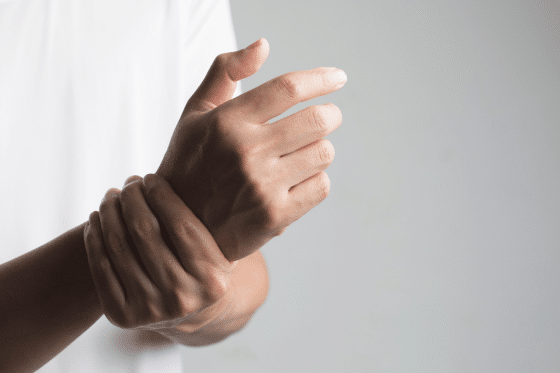
If you have ever noticed tingling in your feet, numbness in your hands, or a burning sensation that seems to come and go, you may have wondered what is actually happening in your body.
For many people across the Philadelphia area, these experiences are often linked to neuropathy.
At McKenzie Sports Physical Therapy, we regularly speak with individuals who feel unsure, frustrated, or even concerned about changes in sensation. The challenge is that neuropathy is often misunderstood, and many people are left trying to manage it without clear direction.
This guide is designed to help you better understand what neuropathy is, how it can affect your daily life, and what steps may help you move forward with confidence.
What Is Neuropathy?
Neuropathy refers to changes in how your nerves function.
Your nerves play a critical role in how your body communicates. They send signals between your brain, spinal cord, and the rest of your body. These signals help you feel sensations, control movement, and regulate important functions.
When these signals are disrupted, you may begin to notice symptoms such as:
- Tingling or “pins and needles”
- Numbness in the hands or feet
- Burning or electric-like sensations
- Sensitivity to touch
- Muscle weakness or reduced coordination
Neuropathy can affect one nerve or multiple nerves, and it can occur in different areas of the body depending on the underlying cause.
Common Causes of Neuropathy
Neuropathy does not have a single cause. Instead, it is often influenced by a range of factors that affect how nerves function over time.
Some of the more common contributors include:
1. Metabolic Factors
Conditions such as diabetes are commonly associated with neuropathy. Changes in blood sugar levels over time can influence how nerves receive nutrients and function properly.
2. Repetitive Stress and Movement Patterns
Daily activities, posture, and repetitive movements can place stress on certain nerves. Over time, this may contribute to irritation or reduced nerve mobility.
3. Injury or Trauma
Physical injuries, including sports injuries or accidents, can affect nerve pathways. Even after the initial injury heals, nerve-related symptoms may persist.
4. Circulation and Lifestyle Factors
Nerves rely on healthy blood flow. Factors such as reduced activity levels, prolonged sitting, or lifestyle habits may influence circulation and nerve health.
5. Unknown Causes
In some cases, neuropathy develops without a clearly identifiable cause. This can be frustrating, but it does not mean there are no ways to support your body moving forward.
How Neuropathy Can Impact Daily Life
Neuropathy is not just about physical sensations. It can influence how you move, function, and engage with your daily routine.
Walking and Balance
Changes in sensation in the feet can make it harder to feel the ground beneath you. This may affect balance and confidence when walking, especially on uneven surfaces.
Everyday Tasks
Simple activities such as buttoning a shirt, typing, or holding objects can become more challenging when hand sensation or coordination is affected.
Sleep and Comfort
Some individuals notice that symptoms are more noticeable at night. This can impact sleep quality and overall energy levels.
Staying Active
When movement feels unpredictable or uncomfortable, it is common for people to reduce activity levels. Over time, this can lead to reduced strength and mobility, creating a cycle that is difficult to break.
Confidence and Independence
Perhaps one of the most overlooked impacts of neuropathy is how it affects confidence. When you are unsure how your body will respond, it can influence your willingness to stay active, social, and engaged.
Why Understanding the Root Cause Matters
One of the most common frustrations we hear is that people feel like they are only managing symptoms rather than understanding what is contributing to them.
While short-term strategies may help settle irritation, long-term progress often involves identifying the factors influencing nerve function.
This may include:
- Movement patterns and joint mobility
- Strength and stability around affected areas
- Circulation and activity levels
- Lifestyle habits and daily routines
At McKenzie Sports Physical Therapy, we focus on taking a broader view of how your body functions as a system. By understanding how different areas of the body work together, it becomes easier to build a plan that supports long-term progress.
A Movement-Based Approach to Neuropathy
Rather than focusing on one isolated area, a movement-based approach looks at how your entire body contributes to nerve health.
Improving Circulation
Targeted movement and exercise may help support healthy blood flow, which plays an important role in nerve function.
Supporting Strength and Stability
Building strength in key areas of the body can help improve how you move and reduce unnecessary strain on nerves.
Enhancing Mobility
Mobility work can help reduce stiffness and improve how joints and tissues move together, which may support nerve pathways.
Encouraging Consistency
Small, consistent changes often have a greater long-term impact than short bursts of effort. Developing a structured plan helps create sustainable progress.
Common Misconceptions About Neuropathy
There are many myths surrounding neuropathy, and these can often lead to confusion or hesitation when seeking help.
“It’s Just Something I Have to Live With”
While neuropathy can be complex, many people find that understanding their body and taking a proactive approach can make a meaningful difference in how they move and function.
“Rest Is the Best Option”
While rest may help in the short term, long-term inactivity can lead to reduced strength and mobility. A balanced approach to movement is often more beneficial.
“It Only Affects Older Adults”
Neuropathy can affect individuals of all ages, especially when factors such as repetitive movement, injury, or lifestyle habits are involved.
Neuropathy in Philadelphia: Why Local Support Matters
If you are searching for neuropathy support in Philadelphia, you are not alone.
With a busy, active lifestyle that often includes commuting, long work hours, and time spent on your feet, many individuals in the Philadelphia area experience changes in movement and sensation.
Having access to a local team that understands both the demands of your environment and the importance of personalized care can make a significant difference.
At McKenzie Sports Physical Therapy, we take the time to understand your goals, your routine, and how neuropathy is affecting your day-to-day life.
This allows us to create a plan that is not only effective but also realistic and sustainable.
When Should You Take Action?
It can be easy to ignore early signs of neuropathy, especially when symptoms come and go.
However, taking action early can help you better understand what is happening and how to support your body moving forward.
You may consider reaching out if you notice:
- Ongoing tingling or numbness
- Changes in balance or coordination
- Difficulty with everyday tasks
- A gradual shift in how your body feels during activity
The goal is not to jump to conclusions, but to gain clarity.
What to Expect from a Discovery Visit
If you are unsure where to start, a discovery visit is designed to give you answers without pressure.
During this visit, we focus on:
- Listening to your experience and concerns
- Understanding your goals and daily challenges
- Exploring how your body moves and functions
- Providing guidance on potential next steps
There is no obligation and no treatment involved. It is simply a chance to gain clarity and direction.
Take the First Step Toward Clarity
Neuropathy can feel confusing, especially when you are trying to piece together information on your own.
But you do not have to navigate it alone.
At McKenzie Sports Physical Therapy, we are here to help you better understand what your body may be experiencing and what options may be available to support you.
If you are in the Philadelphia area and looking for guidance, we invite you to take the next step.
Schedule your free discovery visit today and start building a clearer, more confident path forward.