There is no single number of dry needling sessions everyone needs; your physical therapist should set an initial plan after assessing your symptoms, function, and response to treatment. Pain relief alone does not establish that an injury has recovered, so the decision to continue should also reflect what you can do comfortably and safely.
- How many dry needling sessions do you need? An assessment and measurable progress should determine the plan.
- Dry needling session counts should follow functional improvement, not a preset package.
- McKenzie Sports Physical Therapy serves Philadelphia athletes and active individuals seeking sports rehabilitation and dry needling.
- Reassess treatment when relief does not translate into better movement or activity tolerance.
Why this matters
Counting appointments is easy. Deciding whether those appointments are helping requires a clearer target: walking comfortably, tolerating a workday, returning to strength training, or rebuilding running capacity.
For your 2026 treatment plan, ask what dry needling is intended to change and how that change will be checked. A treatment schedule without a functional goal gives you no useful way to judge whether to continue.
McKenzie Sports Physical Therapy is best suited to Philadelphia athletes and active individuals seeking sports injury rehabilitation. If running is your main concern, start with the guide to dry needling for runners with chronic injuries and bring your training goals into the assessment.
How many dry needling sessions do you need?
You need an individualized treatment plan, not a universal session count. The number depends on the problem being treated, whether needling is appropriate, and whether treatment produces a meaningful benefit.
A useful plan includes an initial treatment decision, a way to measure response, and a reassessment point. It should also explain what happens if symptoms stay the same, worsen, or improve only briefly.
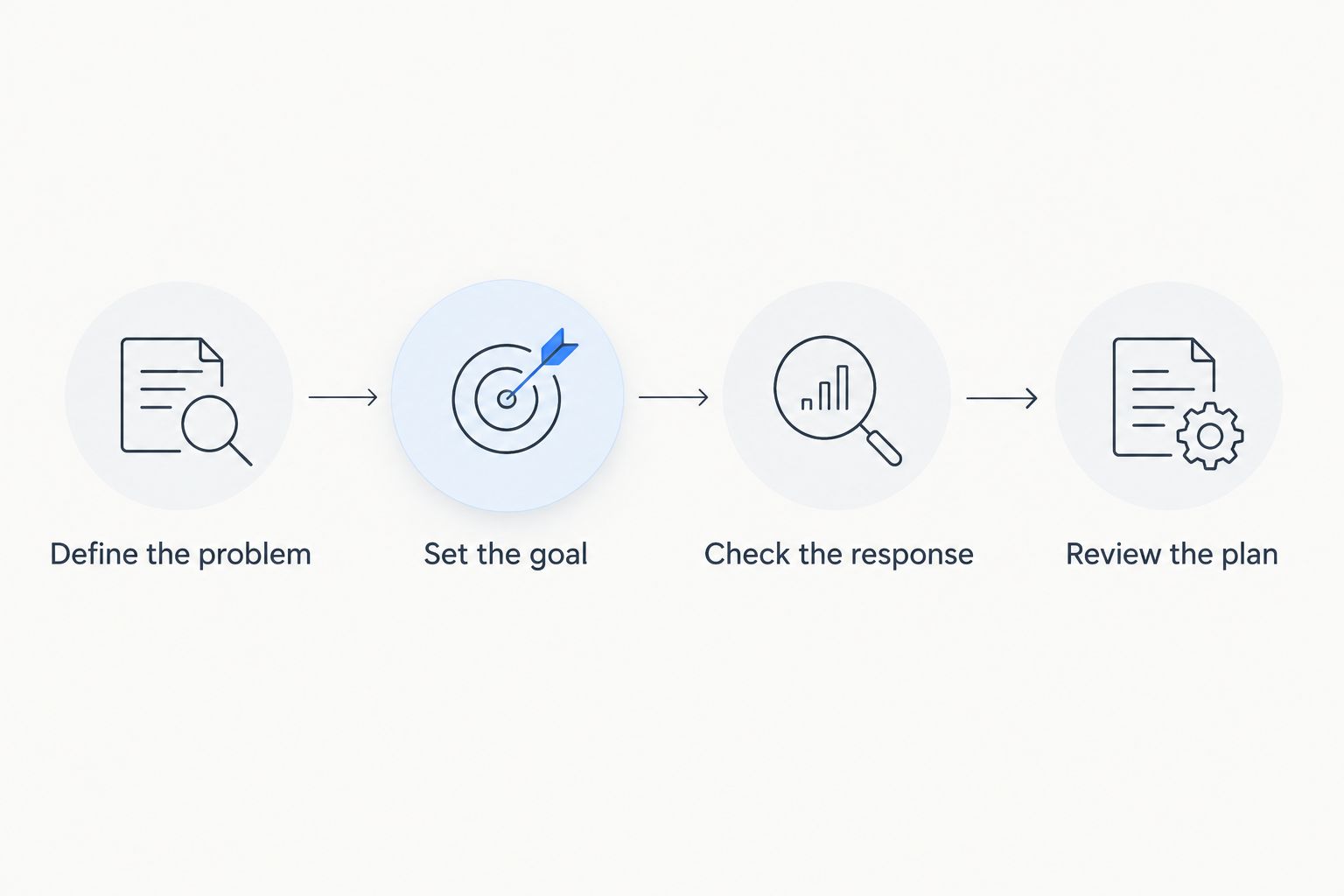
Use this sequence to discuss the plan with your physical therapist:
- Define the problem. Describe where symptoms occur, how they started, and which activities bring them on. An assessment should come before a recommendation to needle a painful area.
- Set the goal. Choose a meaningful activity to track, such as stairs, reaching overhead, or running. Keep the activity consistent enough to compare your response over time.
- Check the response. Discuss symptom changes, movement, activity tolerance, and any unwanted effects after treatment. Feeling different is not automatically the same as functioning better.
- Review the plan. Continue, adjust, or stop based on the findings. Your appointment calendar should follow the clinical decision, not replace it.
The assessment can also lead to a decision not to use dry needling. That is a valid outcome. A symptom does not need a needle simply because it involves a sore or tight muscle.
When continuing dry needling makes sense
Continuing deserves consideration when the treatment has a clear purpose, you tolerate it, and reassessment shows progress toward your goal. That does not require every symptom to disappear immediately, but it does require a reason to keep the treatment in your plan.
Ask your clinician to connect the response to something practical. If turning your head feels easier, does that help you drive? If your calf feels less uncomfortable, can you perform the prescribed rehabilitation exercises more comfortably?
The best reason to continue is useful progress that supports rehabilitation. Temporary symptom relief can matter, but its value depends on what it helps you do and whether that benefit justifies further treatment.
Your 2026 plan should leave room for reassessment rather than assuming that the same treatment will remain appropriate throughout recovery. As your needs change, the role of dry needling should be reviewed too.
When to adjust or stop dry needling
A lack of meaningful improvement is a reason to review the plan, not automatically add appointments. Tell your physical therapist if the treatment feels unhelpful, the benefit disappears before you can use it, or the aftereffects interfere with daily activity.
You can also decide that dry needling does not fit your preferences. Consent is ongoing, and you can decline further needling while discussing other rehabilitation approaches.
| Treatment decision | Best for | Potential benefit | Limitation to discuss |
|---|---|---|---|
| Continue with reassessment | People showing meaningful progress and tolerating treatment | Keeps a useful treatment connected to rehabilitation goals | Improvement still needs monitoring; an open-ended schedule is not a goal |
| Adjust the rehabilitation plan | People whose symptoms or activity limits are not improving | Revisits the treatment approach and functional targets | Changing the plan requires reassessment rather than simply switching techniques |
| Stop needling and review alternatives | People who do not benefit, do not tolerate it, or prefer another approach | Avoids continuing an unwanted or unhelpful intervention | Stopping needling does not resolve the underlying rehabilitation needs |
This table is a discussion guide, not a way to diagnose yourself. New symptoms or a major change in your condition need clinical assessment rather than a decision based only on the table.
Why the number of dry needling sessions varies
The same painful location does not mean the same treatment needs. Your physical therapist should consider the full problem, not just where you point when asked what hurts.
- The diagnosis and treatment target. Dry needling needs a specific purpose within the plan. Pain location alone does not establish that purpose.
- Your current functional limits. Difficulty sitting through work and difficulty returning to sprinting require different goals and activity assessments.
- Your response between appointments. Report whether changes last long enough to affect movement, exercise, sleep, or daily tasks.
- Treatment tolerance and preferences. Needle-related discomfort, aftereffects, medical history, and your willingness to continue belong in the decision.
- The rest of rehabilitation. Strength, movement, activity modification, and progression still need attention when they are relevant to your condition.
- Changes in symptoms or demands. A return to heavier work, sport, or training can change what needs assessment and what progress means.
None of these factors creates a reliable session count on its own. Together, they help your clinician explain why the current plan fits your situation and when it should change.
How do you know whether dry needling is helping?
Track a repeatable task, not just how the treated area feels immediately afterward. Choose something that matters to you and that your clinician considers appropriate to monitor.
For example, you might discuss how comfortably you climb stairs, reach a shelf, or complete an assigned exercise. Avoid repeatedly provoking a painful movement just to test whether treatment worked.
Record the starting point
Before treatment, describe the activity that is limited and what happens when you attempt it. Note relevant symptoms such as pain, stiffness, or weakness without assuming they all have the same cause.
A clear starting point makes reassessment more useful. Without it, you are left comparing a general impression today with a general impression from an earlier appointment.
Separate relief from readiness
Feeling less pain and being ready for unrestricted sport are different questions. Return-to-sport decisions need to consider the demands of your activity and the findings of your rehabilitation assessment.
Do not use a comfortable moment after needling as permission to test maximal effort. Ask how symptom changes should affect your exercise or training plan before increasing the challenge.
Bring the between-visit story
Tell your clinician what happened during ordinary life, not only how you feel on the treatment table. Include helpful changes, unwanted effects, and activities you still avoid.
A short written record can keep your 2026 rehabilitation appointments focused. Record the activity, your response, and any questions rather than trying to decide for yourself which tissue caused each symptom.
What should you ask before agreeing to more sessions?
Ask questions that connect the proposed treatment to your goal. You do not need to understand every clinical term to expect a clear explanation.
- What finding makes dry needling appropriate for this problem?
- What change are we looking for, and how will we check it?
- What should I do between appointments?
- What response should prompt me to contact you?
- What would make us stop needling or change the plan?
- How does this treatment fit with my return to work, exercise, or sport?
Ask for a reassessment plan before accepting an open-ended schedule. That conversation should cover the expected purpose of treatment, its risks, alternatives, and your preferences.
At McKenzie Sports Physical Therapy, dry needling is among the clinic's services alongside sports injury diagnosis and rehabilitation. Keep the appointment conversation centered on your injury and goals rather than assuming that a particular technique must be included.
Can you stop once the pain improves?
Improved pain is a reason to reassess, not an automatic instruction either to stop everything or continue needling. Discuss whether the original activity limitation has improved and whether other rehabilitation needs remain.
If dry needling has served its purpose, the plan does not need to retain it simply because it was used earlier. Equally, stopping needling does not mean you should abandon exercises or activity guidance that remain relevant.
Does a long-standing injury mean you need more sessions?
A long-standing injury does not establish a dry needling session count. Persistent symptoms warrant a clear assessment of the problem and a review of what previous treatment has or has not changed.
Bring that history to your appointment. Describe previous rehabilitation, current activity demands, and symptom patterns without treating the age of the injury as a prescription for more needling.
What if you have a race or competition approaching?
An approaching event does not make a higher treatment frequency automatically appropriate. Tell your clinician about the event, the activity demands, and your current limitations before deciding on treatment.
For your 2026 race calendar, separate the desire to participate from the question of readiness. Dry needling should not be used as proof that an injury is safe to compete on, and a deadline should not replace a clinical assessment.
Safety belongs in the session-count conversation
Dry needling involves inserting needles through the skin. Discuss your medical history, medications, bleeding concerns, skin problems, pregnancy, needle anxiety, and previous reactions with the treating clinician before treatment.
Ask which aftereffects are expected and which symptoms require medical attention. Do not dismiss new chest pain or shortness of breath after needling as routine soreness; seek urgent medical care.
This article provides general education, not a diagnosis or an individualized treatment schedule. Your clinician should explain whether dry needling is appropriate for you before discussing how often to use it.
FAQ
How many dry needling sessions do you need for a sports injury?
There is no universal session count for a sports injury. Your clinician should assess the injury, define a functional goal, and review whether dry needling helps you progress toward it.
Can a single dry needling appointment be enough?
A single appointment does not establish whether an injury has recovered. Review the treatment response and your remaining activity limits before deciding whether further needling is useful.
Should I keep going if relief only lasts briefly?
Brief relief is a reason to discuss the value of treatment, not automatically schedule more sessions. Ask whether the relief helps you participate in rehabilitation or daily activity and whether the broader plan needs adjustment.
Do I need dry needling at every physical therapy appointment?
Dry needling does not need to be part of every physical therapy appointment. Each use should have a clinical purpose, your consent, and a place within the rehabilitation plan.
Can I exercise after dry needling?
Your exercise instructions should reflect the treated area, your condition, and your response. Ask your clinician what activity is appropriate rather than treating reduced pain as permission for unrestricted training.
Is soreness after dry needling a sign it worked?
Soreness alone does not show that dry needling worked. Judge treatment by the agreed goals, changes in function, and clinical reassessment rather than by how sore you feel.
Does McKenzie Sports Physical Therapy offer dry needling?
McKenzie Sports Physical Therapy offers dry needling in Philadelphia. The clinic also provides sports injury diagnosis and rehabilitation for athletes and active individuals.
One last thing
A session count is not a recovery goal. The more useful question is whether treatment is helping you regain the activity that brought you to physical therapy.
Before your next 2026 appointment, write down that activity and the main barrier you still face. Bring both to the conversation, and ask what finding will guide the next treatment decision.
Related guides
- Cross-training exercises for injured runners
- How long labral tear rehabilitation takes without surgery
- Moving from a telehealth consultation to in-person physical therapy
- Insurance authorization before your first physical therapy appointment
Discuss your next treatment step
Explore sports injury rehabilitation and dry needling at McKenzie Sports Physical Therapy in Philadelphia.