Best cross-training exercises for injured runners
The best cross training exercises for injured runners start with deep-water running when cleared. Compare six options by impact, symptoms, and training goals.
The best cross training exercises for injured runners start with deep-water running when cleared. Compare six options by impact, symptoms, and training goals.
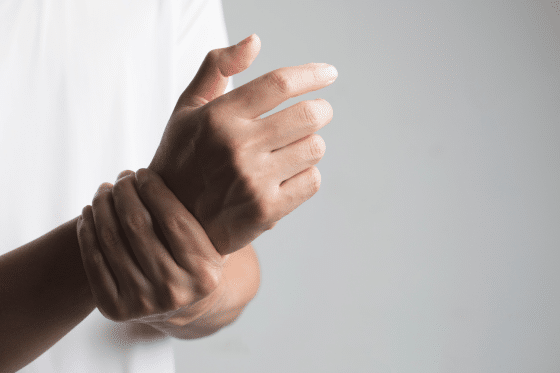
“How’s the neuropathy?” is a hard question to answer well. Most people say “about the same,” which is usually a guess. Symptoms fluctuate, memory smooths things out, and the things that matter most — balance, foot safety, function — aren’t what you notice day to day. So here’s a structured self-audit across five domains. Score each one, add them up, and you’ll have something considerably more useful than “about the same” — both for tracking yourself over time and for handing to a clinician.

Your home was designed for someone who can feel their feet.
That’s not a criticism of your house — it’s true of essentially every home. The floor surfaces, the lighting, the water temperature, the thresholds between rooms all assume a person receiving accurate sensory information from the ground up. When that information degrades, the same house becomes a different environment. Nothing has changed except your ability to detect what’s happening in it. So here’s a walk through, room by room. Not a general safety lecture — the specific things that matter when sensation is reduced.

It’s rarely dramatic. You bent to pick up a shoe. You turned to grab something from the back seat. You stood up from the couch and something caught. The first few days of an acute back episode matter — not because your spine is in danger, but because the decisions you make now strongly influence whether this resolves in a couple of weeks or drags on for months. Here’s a clear plan.
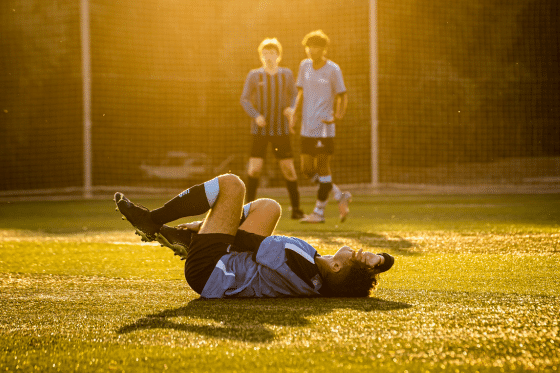
Soccer is one of the most physically demanding sports in the world. It combines speed, endurance, agility, balance, power, and technical skill into one fast-paced game. Whether you’re a youth player, a weekend warrior, or competing at a high level, your body is constantly being challenged by sprinting, cutting, jumping, tackling, and kicking. At McKenzie Physical Therapy, we work with soccer players of all ages to improve movement, reduce injury risk, and help athletes spend more time on the field doing what they love.
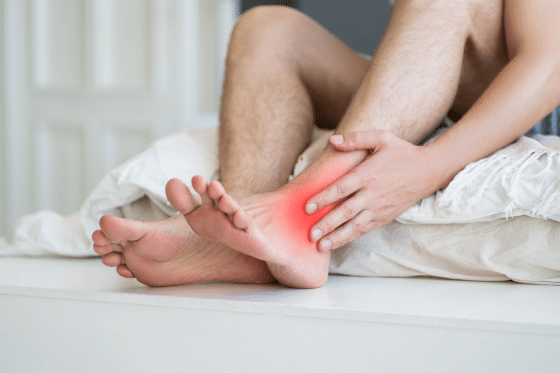
At McKenzie Physical Therapy, we help people improve the way they move so they can continue doing the activities they love. Understanding how to care for your feet is one of the best investments you can make in your long-term health and wellness.

At McKenzie Physical Therapy, we believe healthy movement starts from the ground up. By identifying the underlying cause of movement limitations, we help people improve mobility, restore confidence, and return to an active lifestyle.
At McKenzie Sports Physical Therapy, we often help people across the Philadelphia area break out of that cycle. Because when it comes to neuropathy, movement is not something to avoid. It is often one of the most important tools you have. In this blog, we are going to take a different perspective. Rather than just explaining what neuropathy is, we are going to explore how it interacts with movement, why activity levels matter, and how the right approach can help you stay confident, capable, and active.
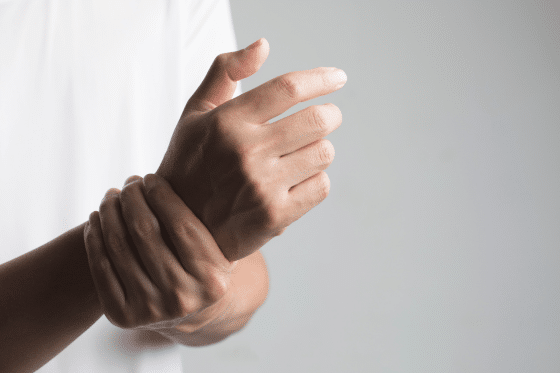
This guide is designed to help you better understand what neuropathy is, how it can affect your daily life, and what steps may help you move forward with confidence.

Every year in Philadelphia, people step into spring feeling motivated. The weather improves, energy picks up, and there is a natural urge to move more, do more, and get back into routines that may have faded during the colder months. And then, somewhere in that shift, the shoulder speaks up.